Anonymous Cryptocurrency Exchanges – Are They Worth It?

Anonymity and privacy are always hot-button issues in the cryptocurrency space. In spite of all transactions being recorded on the blockchain, the true identities of those participating in Bitcoin transactions are kept anonymous. This leads to the question, 'Is BTC Anonymous?' Despite blockchain records, true anonymity requires more. But as full anonymity in cryptocurrency transactions becomes more sought after, a curious option has emerged: anonymous Bitcoin exchanges.
Understanding Anonymous Exchanges
anonymous cryptocurrencies CoinJoin Essentially, there are two types of exchanges – centralized and decentralized. Some centralized sites have responded quickly to the need for privacy by introducing tools for anonymous trading. Among these capabilities is the ability to do business in like Monero, or to employ anonymizing methods like .
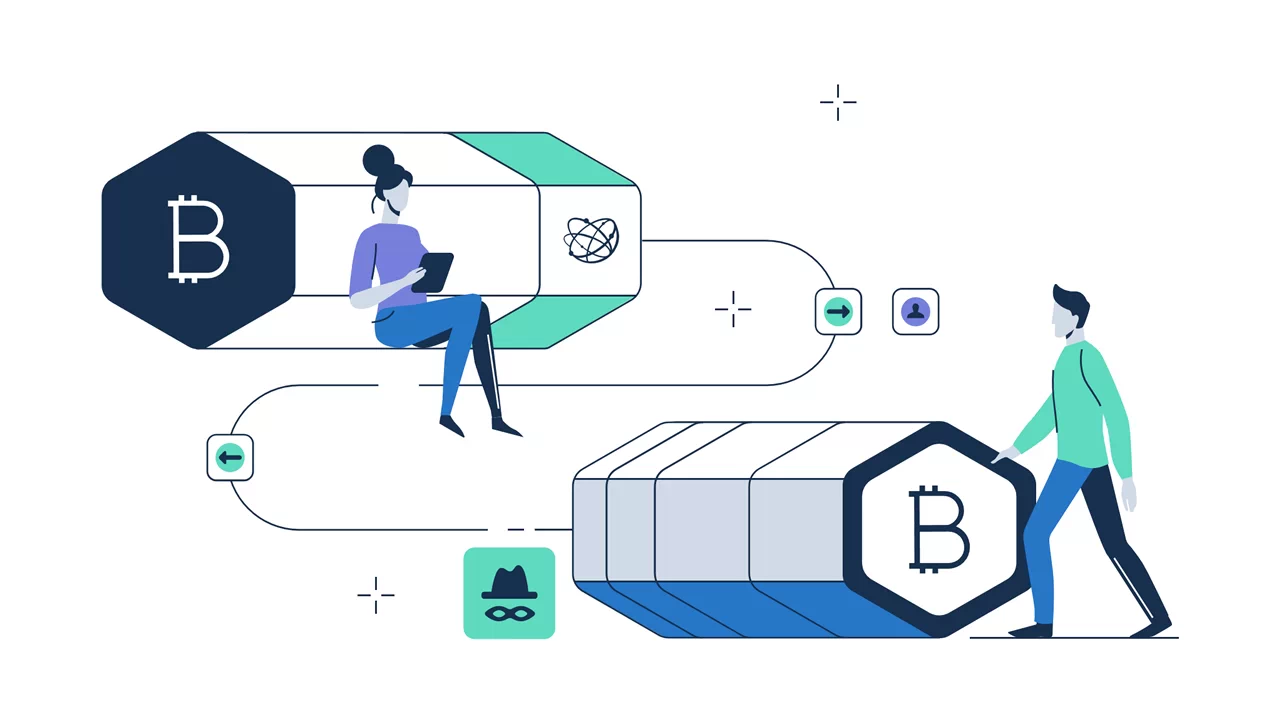
On the other end of this spectrum, we have decentralized exchanges or DEXs. Since no single entity is in charge of a decentralized exchange, Know Your Customer (KYC) checks are often unnecessary. These platforms let users conduct transactions straight from their wallets and make use of smart contracts to enable safe, secure, and fast P2P exchanges. In addition to the DEXs, Bitcoin tumblers offer another effective way to enhance transaction anonymity. These services mix Bitcoins from various sources, making the tracking of individual transactions much more challenging. DEXs have the advantage of anonymity, although they may not have as many currency pairings as a traditional exchange.
Web-Based P2P Networks
Peer-to-peer (P2P) platforms eliminate the middlemen in crypto transactions by linking buyers and sellers directly. The use of an escrow service is a common feature of many peer-to-peer (P2P) networks. Users are free to bargain over all aspects of a transaction, such as the means of payment and interest rate. This aspect is particularly appealing to those looking to buy Bitcoin anonymously. P2P networks are widely used by people who value privacy and discretion over their financial dealings.
Who Needs Anonymous Exchanges?
There are several types of people who might be more than interested in turning to these services, including:
- Users Who Value Their Privacy. Bitcoin users who value their anonymity will appreciate anonymous trades. These platforms cater to the growing need for Bitcoin privacy in the digital age. These services provide an additional layer of secrecy, making it more difficult for other parties to track user activity or associate it with their true identities. Using anonymous Bitcoin wallets in conjunction with these services can enhance privacy even further.
- Users Who Don’t Want to Verify. Users of many centralized exchanges are subject to time-consuming and potentially privacy-invasive KYC verification processes. To circumvent these constraints, traders might use anonymous exchanges, such as DEXs and P2P platforms.
- Users from Countries with Restrictive Legal Framework. For those living in countries with stringent cryptocurrency rules, anonymous exchanges provide a crucial means of entering the cryptocurrency market. It's possible that the government won't be able to shut down these platforms as easily as they can its centralized equivalents.
Bitcoin mixer crypto mixers In this context, Tumbler stands out with its innovative approach. They have implemented robust protection against Man-in-the-Middle (MITM) attacks, and all critical data on our website is encrypted using the RSA asymmetric cryptography algorithm. This ensures the utmost security and privacy for our clients, setting Tumbler apart from conventional mixers. This innovative approach aligns with the growing trend of using in the market.
Who Doesn’t Need Anonymous Exchanges?
Although they might seem like a great option, there are some people who will fail to find any significant benefits, including:
- Users Who Value Full Protection. For those users, anonymous transactions may not be the best option. In the event of a dispute or fraud, the legal ambiguity in which these platforms often operate might be troublesome.
- Users Who Value Great Trading Conditions. While there is a growing market for private transactions, anonymous exchanges, and DEXs in particular, all the options may lack the depth of huge centralized markets. This may lead to less desirable trading conditions, wider spreads, bigger commissions, fewer trading pairs, etc.
- Users Who Are Afraid of Scammers. Complete or incomplete anonymity often comes with a price. Users using anonymous sites should be wary, since they may fall victim to scams and other sorts of fraud. It's crucial to properly investigate the exchange and your counterparty before participating in any trades.
How to Find a Reliable Anonymous Service
The key to a hassle-free and secure trading experience is picking the correct anonymous exchange. Think about what we’ve listed below:
- Focus on platforms that can put your money in cold storage and use two-factor authentication. Always put the security of your digital possessions first;
- Find out how trusted the market is by reading feedback from previous customers. Pick services that have shown themselves trustworthy and dependable in the past;
- If you want to trade a certain cryptocurrency but the exchange doesn't support it, don't bother. A small number of digital pairs is a mark of a service that does not suit you.
Increased Confidentiality
While anonymous transactions through exchange may increase your privacy, they also pose certain unique dangers. To make secure use of these resources, you must keep certain things in mind. First, to keep your cryptocurrency safe, you may want to use a hardware wallet. This safeguards against any possible breaches or hacks. Also, keep in mind that deals that appear too good to be true usually are. Scammers often prey on users of anonymous networks, offering them massive profits, very advantageous exchange rates, or exclusive access to products.
Always take your time verifying the specifics of the deal. Once your cryptocurrency has been sent, it cannot be retrieved. Verify the correctness of the wallet addresses to prevent unnecessary losses.
Biggest Disadvantages of Anonymous Exchanges
It’s not as amazing as some people would like you to believe as there are several pressing issues pertaining to the exchanges that provide increased anonymity, including:
- The absence of government oversight in some form is a major drawback of anonymous Bitcoin exchanges. In order to protect its customers' money and personal information, traditional exchanges must adhere to a number of rules and laws. However, anonymous exchanges are more vulnerable to fraud since they exist in a regulatory limbo.
- Due of the absence of oversight, anonymous markets provide fertile ground for rampant fraud. Customers risk having their money stolen by unscrupulous sellers. Recovering stolen cash may be very difficult without a formal mechanism for resolving disputes.
- Exchanges for virtual currencies raise serious concerns about security. Anonymous exchanges may not have as many safeguards in place for customer funds as respected centralized exchanges. Because of this, Bitcoins may be hacked, stolen, or lost.
Reasons Why Bitcoin Mixers Are Better Than Bitcoin Exchanges
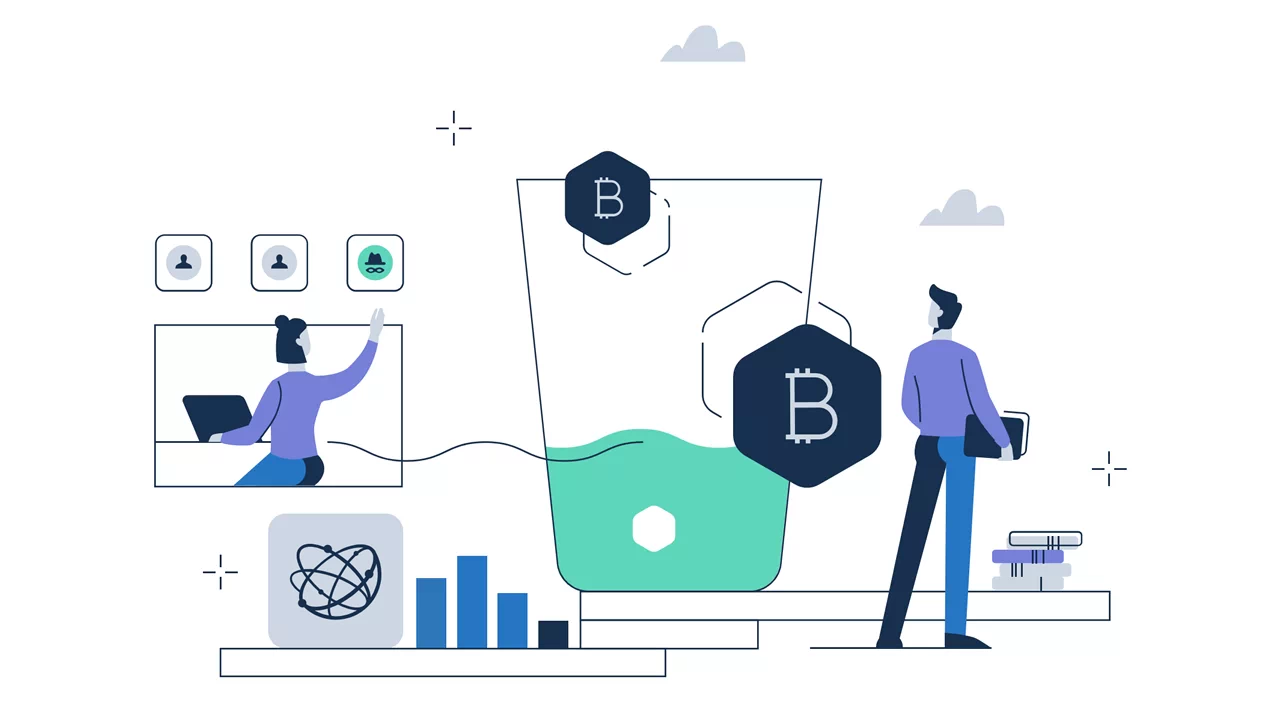
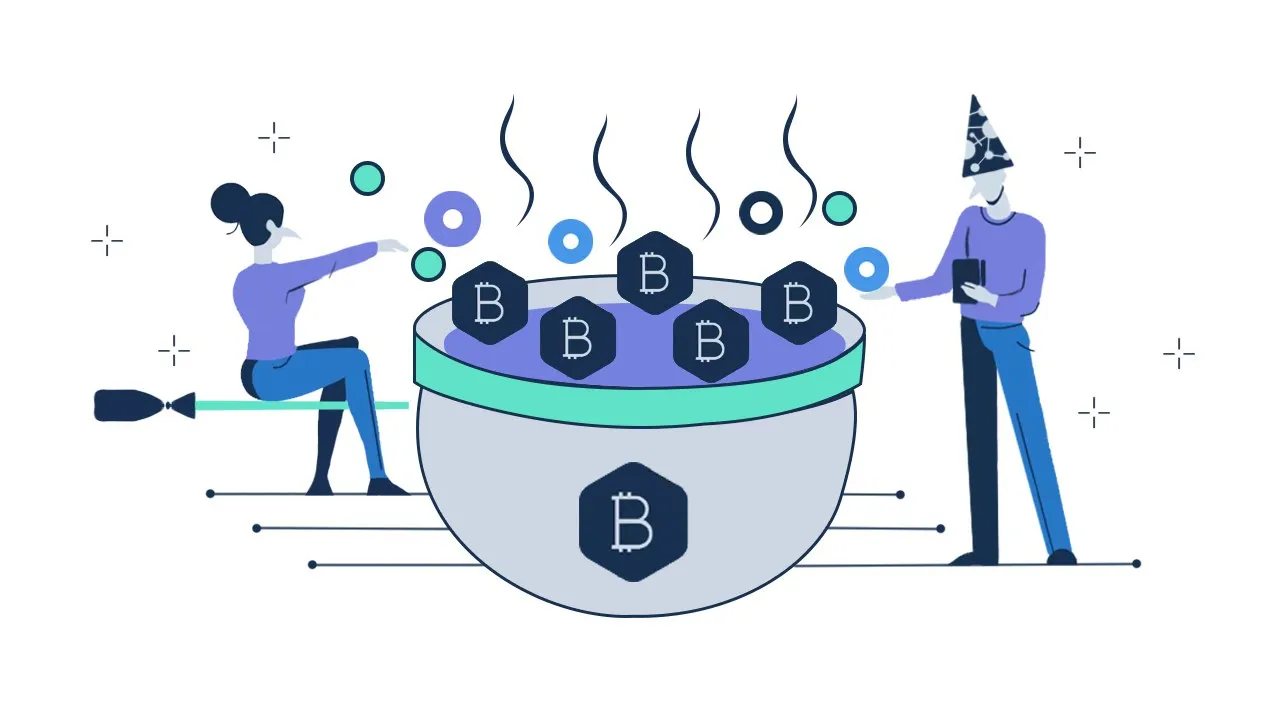
Bitcoin mixer sites like Tumbler are sites where you can quickly, easily, and securely mix your Bitcoins to make them anonymous. A more detailed breakdown of how it operates is available on the respective FAQ page.
However, for now, we are going to present them as what they are – a better alternative to anonymous Bitcoin exchanges. Here is what makes them superior:
- Personal Data Protection. Even Bitcoin exchanges that stress anonymity typically have customers go through Know Your Customer (KYC) processes. This necessitates the disclosure of sensitive information (such as a user's full name and address) by requiring users to provide government-issued identification and other paperwork. Bitcoin mixers, on the other hand, provide a greater degree of anonymity by disguising the original wallet from which Bitcoins were sent and never requiring you to provide extensive data concerning your real-life ID. The term 'Bitcoin tumbler' is often used to describe these mixers, emphasizing their role in obfuscating transaction origins.
- Traceability and Openness. Bitcoin transactions are usually publicly viewable and auditable via the distributed ledger. This implies that anybody may see an address's whole history of Bitcoin transactions, which might include personal or financial data. Bitcoin exchanges can’t do anything about the very nature of the ledger. However, Bitcoin mixers combine money from many users, making it difficult to determine where the original sum came from.
- Privacy and Safety. Users' privacy and safety are top concerns for Bitcoin mixers. Mixing coins from diverse sources makes it virtually hard to trace transactions back to their original owners. Mixers are more appealing to people concerned about privacy since this degree of anonymity cannot be found on standard Bitcoin exchanges.
Particularly, Bitcoin mixer Tumbler elevates security with advanced features. Data encryption with a 2048-bit RSA key pair and the absence of OrderID in HTTP requests make it impossible for services like DDOS-Guard to intercept our clients' transactions. This cutting-edge technology has been implemented across all critical aspects of Tumbler, including order creation and support, ensuring secure and private exchanges.
Conclusion
In summary, the world of cryptocurrency is marked by a persistent debate over the balance between anonymity and privacy. Centralized, standard-issue anonymous Bitcoin exchanges, along with other innovative solutions like decentralized exchanges and peer-to-peer networks, offer a path for users seeking enhanced confidentiality in their transactions. These services cater to individuals who value privacy, those seeking to bypass extensive verification processes, and those living in countries with strict cryptocurrency regulations.
Nevertheless, it's essential to recognize that anonymous exchanges come with their own set of disadvantages. They lack the oversight and regulatory protections that traditional exchanges offer, making users more susceptible to fraud and security risks. Scammers often exploit the anonymity these platforms provide, and users must exercise caution and due diligence.
For users who prioritize the utmost protection, desire a wide range of trading options, or are concerned about potential scams, anonymous exchanges might not be the ideal choice. After all, there are inherent limitations to this technology, at least in the way it’s used on such sites. Moreover, it's crucial to note that the legality and regulations surrounding anonymous exchanges vary from one jurisdiction to another.
In this landscape, Bitcoin mixers emerge as an alternative that can enhance anonymity and privacy. They offer personal data protection, make transactions less traceable, and prioritize user privacy and safety. However, it's important to approach all these services with caution and to carefully evaluate their security measures. Be sure to go for a proven service, just like the one included in this text.
—
Disclaimer: This article is not intended to provide financial advice or promote the use of Bitcoin and other cryptocurrencies. Its main purpose is to inform, explain, and educate. Readers must make their own decisions regarding the use of such services.